

Lion's mane mushroom (Hericium erinaceus) has become one of the most widely discussed functional ingredients in the wellness and nootropic market. It is now commonly used in supplements aimed at supporting focus, memory, and overall cognitive performance.
As demand for brain health ingredients continues to rise, lion's mane extract is increasingly included in capsules, powders, and functional drinks. At the manufacturing level, we focus on providing stable and standardized mushroom ingredients for global supplement brands.
In this article, we explain the key lion's mane mushroom benefits, how it works in the body, and how it is typically used in modern wellness routines.
What Is Lion's Mane Mushroom?
Lion's mane mushroom (Hericium erinaceus) is that white, fluffy mushroom that looks like a powder puff. Traditional Asian wellness systems used it for centuries. Today, it gets turned into lion's mane extract powder for modern supplements.

Common forms you'll find:
- Powders and capsules
- Functional coffees and drinks
- Gummies for daily use
Quality products use standardized extract. That means the active compounds stay the same from batch to batch. For a supplement brand, that consistency is everything.
Does Lion's Mane Help With Brain Health and Memory?
The biggest reason people reach for lion's mane is brain support. They call it a natural nootropic because it can help with memory and general cognitive function over time.
What's the science angle? Hericium erinaceus extract interacts with Nerve Growth Factor (NGF). NGF helps nerve cells stay healthy and talk to each other. That connection is why so many users report feeling sharper after taking lion's mane supplement products for a few weeks.
Search for "lion's mane benefits for memory" and you'll see endless personal stories. Some good, some nothing. But the trend is real.
Can Lion's Mane Extract Improve Focus and Mental Clarity?
Caffeine gives you a spike and a crash. Lion's mane extract is different. Users describe a smooth, steady alertness that just sits there in the background.
Some people say they feel less mentally tired and can concentrate longer during heavy workdays. That's exactly why functional coffee blenders and productivity supplement makers keep putting mushroom nootropic extract into their formulas.
Is Lion's Mane Mushroom Good for Digestive Wellness?
Long before anyone talked about nootropics, lion's mane mushroom was used for digestive comfort. That's not new.
What's newer is the gut-brain connection. Researchers are finding that a healthy gut can actually support a clearer mind. So now you see lion's mane powder popping up in functional nutrition products aimed at whole-body wellness, not just brain stuff.
Does Lion's Mane Support Immunity and Antioxidant Protection?
Lion's mane contains natural polysaccharides and other bioactive compounds that may support general immune function. The same compounds also have antioxidant properties-they help protect cells from everyday oxidative stress.
No, it's not a cure-all. But many people toss lion's mane supplement products into their wellness routine alongside good food, decent sleep, and regular exercise.
How Should You Use Lion's Mane Extract Powder Safely?
Powders, capsules, functional drinks-pick your format. Most people take lion's mane extract powder in the morning or early afternoon.
Start with a moderate dose. See how you feel. Adjust up or down. If you have any medical conditions or take prescription meds, ask a healthcare professional first. Common sense.
Products Description
Not all extracts are equal. Some are watered down. Some lack proper testing.
What actually matters:
- Standardization of active compounds (so you know what's inside)
- Source control over raw mushrooms
- Consistent extraction method
- Batch testing and paperwork you can actually use
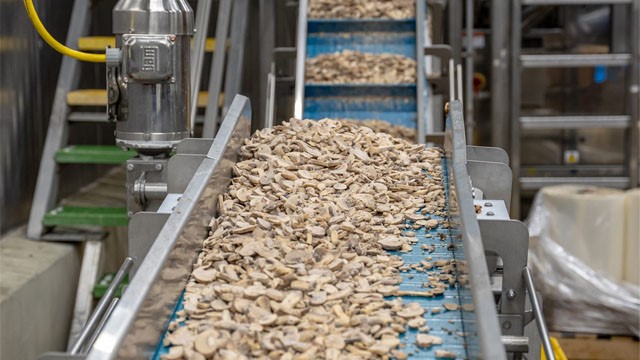
For B2B buyers, stable supply and batch-to-batch consistency separate a real partner from a one-off seller. Factory-direct sourcing gives you better control from raw material to finished mushroom extract powder.
Why Are OEM and ODM Lion's Mane Products Growing Fast?
The market keeps expanding, and brands are launching new products constantly: mushroom cognitive supplements, functional coffee blends, daily wellness powders, gummies for kids and adults.
OEM and ODM services let brands hit the market faster while keeping ingredient quality locked in. That's a competitive edge when everyone is launching something.
Final Thoughts – What's the Real Takeaway?
So what are lion's mane mushroom benefits? People use it mainly for brain health, focus, memory, and overall cognitive wellness. It's not a drug and it won't work overnight for everyone. But it has earned a real spot in modern functional nutrition.
The key is sourcing from a reliable manufacturer with stable production. If you're a brand looking for factory-direct supply or OEM/ODM, standardized lion's mane extract powder is still one of the strongest ingredient plays around.
For product inquiries and cooperation opportunities, contact us at:haozebio2014@gmail.com
References
- He, P., et al. "Hericium erinaceus (Lion's Mane Mushroom) and Its Neuroprotective Effects." International Journal of Medicinal Mushrooms, 2017.
- Lai, P. L., Naidu, M., Sabaratnam, V. "Lion's Mane Medicinal Mushroom: Potential Neurotrophic and Cognitive Health Benefits." Biomedicine & Pharmacotherapy, 2013.
- Thongbai, B., et al. "Bioactive Compounds in Hericium erinaceus and Their Health Effects." Journal of Ethnopharmacology, 2015.
- Zhang, Z., et al. "Neurotrophic Activities of Erinacines from Hericium erinaceus." Journal of Agricultural and Food Chemistry, 2016.
- Wong, K. H., & Cheung, P. C. K. "Nutritional Value and Bioactive Components of Edible Mushrooms." Food Chemistry, 2008.
- Mori, K., et al. "Improving Effects of Hericium erinaceus on Mild Cognitive Impairment." Phytotherapy Research, 2009.