

Shiraizhi – Conqueror Of The Forest
Nov 21, 2025
Shilajit is a natural substance used in Ayurvedic medicine for thousands of years and is known as the "conqueror of the forest." It is mainly distributed in high-altitude areas such as the Himalayas and is formed from ancient plant matter through long-term decomposition by microorganisms.
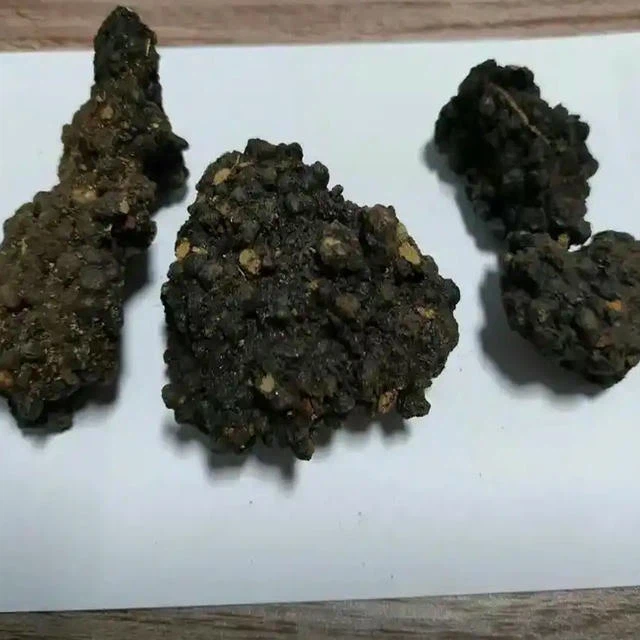
Shilajit is a dark brown plant-based bitumen. It is formed through long-term microbial decomposition, resulting in a bioactive lipid substance. Currently, Shilajit has been found to be used in various regions, including Bhutan, China, Europe, the Americas, Tibet, India, Russia, and the Caucasus region, with a history spanning 3000 years.

Shilajit A summary of core information
| Information | Describe |
| Chinese name | 喜来芝 |
| English/Sanskrit name | Shilajit /(meaning "to conquer mountains, the weakness of a destroyer") |
| Nature | A viscous, resinous substance derived from high-altitude rocks, it is a mixture of plant and mineral components. |
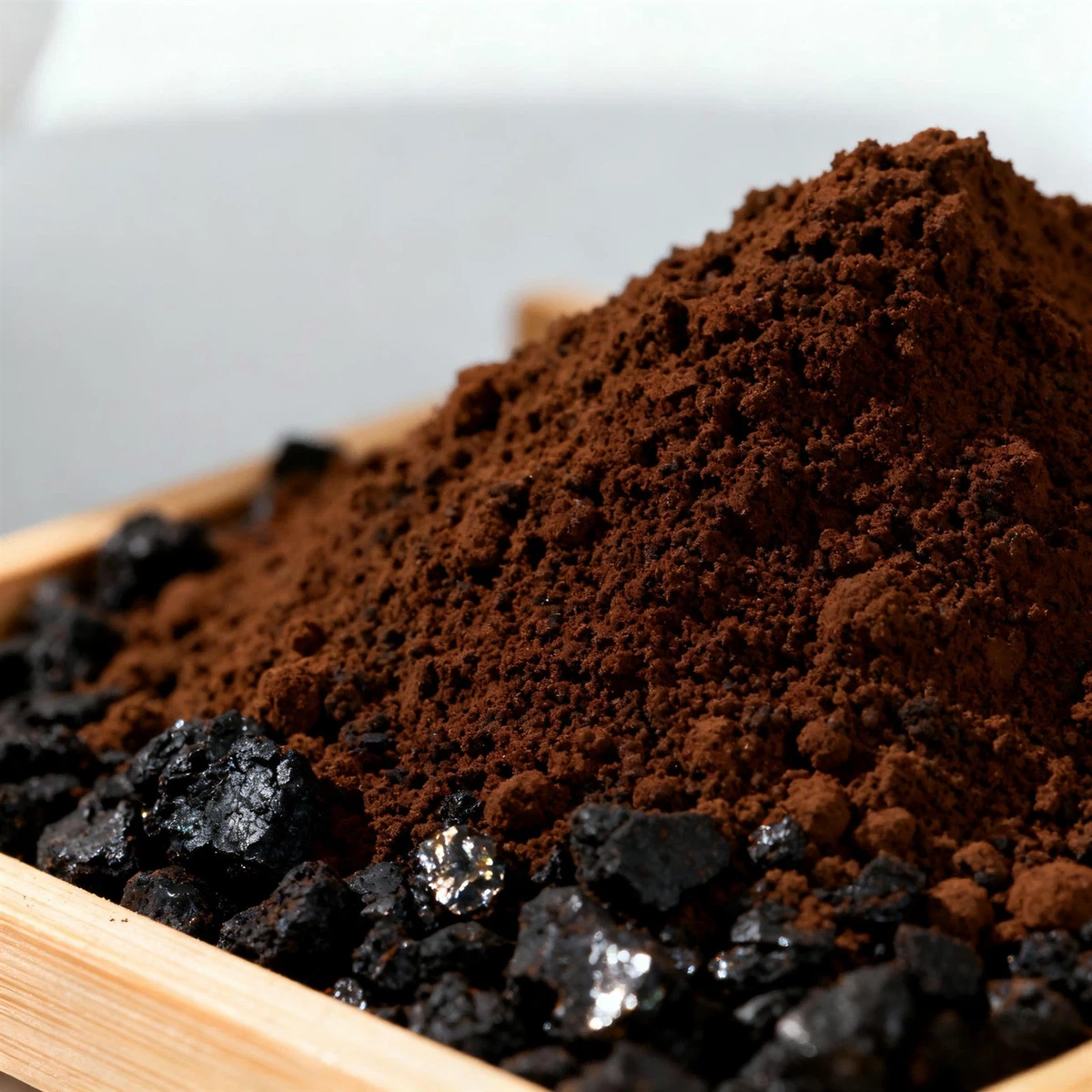
| Origin and Form | It mainly seeps into the crevices of rocks in high-altitude areas such as the Himalayas; when unrefined, it is a dark, viscous substance with a distinctive odor. |
| Core ingredients | Fulvic acid, humic acid, more than 85 kinds of mineral ions, fulvic acid, etc. |
| Modern research potential | Antioxidant, anti-inflammatory, fatigue reliever, supports brain health, beneficial for men's health, promotes bone and wound repair, etc. |
Shilajit Classification
Shilajit also comes in different colors and is graded according to the types of metals it contains. For example, it is red (Sauvarna Shilajit) with more gold, white (Rajat Shilajit) with silver, blue (Tamra Shilajit) with copper, and black (Lauha Shilajit Shilajit) with iron. Among them, black Shilajit containing gold is the rarest and is considered to have the best therapeutic effect. In nature, iron-containing Shilajit is the most widely used in traditional medicine.
Shilajit Security
1. Prolonged Administration of Shilazoline in Mammals
To understand whether immediate ingestion of small or large doses of Shilazoline would cause acute toxicity, Velmurugan et al., in a 2012 study published in the *Asian Pacific Journal of Tropical Biomedicine*, investigated mice fed Shilazoline for 91 consecutive days. They found no behavioral changes, deaths, or illnesses, and measured the iron content and weight of their organs. Organ weight showed no significant difference compared to the control group. Sidney J. Stohs reported in a 2014 study in *Phytotherapy Research* that high doses of Shilazoline administered to rats did not produce acute toxicity; and continuous administration of Shilazoline to rats for 90 days did not reveal any negative effects on their liver, kidneys, hematopoietic function, or behavior.
In a 30-day feeding experiment, Kel'ginbaev et al., in a 1973 study published in the journal *Eksp Khir Anesteziol*, fed shilaziogi (a type of herb) to rabbits and mice for a month and found no significant pathological or morphological changes in their organs. Furthermore, a 2012 evaluation report in the journal *Experimental Immunology* by Gazim BiŽANOV et al., which fed shilaziogi to rats for 90 days, found no effects on their heart, liver, kidneys, blood cells, nervous system, or endocrine system.
In a 2013 study published in the *Journal of Veterinary Science & Animal Husbandry*, Fleck A et al. administered a drug containing shilazoline to dogs with arthritis twice daily for 150 consecutive days. By day 90, the dogs showed significant improvement in pain levels, and by day 150, their behavioral abilities had greatly improved; they could run, jump, and even climb stairs without difficulty. During this period, there were no significant changes in any physical indicators such as weight, heart rate, or body temperature. Furthermore, there were no significant changes in serum renal parameters (blood urea nitrogen (BUN) and serum creatinine), liver function (total bilirubin, serum alanine aminotransferase (ALT), and aspartate aminotransferase (AST)), or cardiac and skeletal muscle function (creatine phosphophosphide (CK)).
2. Rodent Toxicity Tests
To observe whether shilazoline causes gene mutations, Sidney J. Stohs, in a 2014 study published in *Phytotherapy Research*, fed shilazoline to mice and observed no abnormal mutations on chromosomes during cell division in their bone marrow. To understand whether shilazoline causes birth defects in pregnant rats, Anisimov et al., in a 1982 study published in the *Kazan Medical Journal*, fed shilazoline to a group of pregnant rats and found no embryotoxicity or teratogenic effects. Similar results were found in an experiment by Al-Himaidi et al., where shilazoline was fed to pregnant mice, showing no difference in the number of embryos or body weight during the experiment. In a 2003 study published in *Online Journal of Biological Science*, Ahmed R et al. investigated the effects of oral administration of shilazoline aqueous solution on the embryos of pregnant rats, observing placental weight, the number of pups and embryos resorbed, and the trend of maternal weight gain. The results showed no significant differences or other adverse effects.
3. Systemic Toxicity in Human Trials
A 2003 study in *Ancient Science of Life* administered Shilazoline daily to subjects aged 16-30 for 45 days, observing no significant changes in heart rate, blood pressure, weight, blood composition, or liver and kidney function. In a 2014 study in *Phytotherapy Research*, Sidney J. Stohs also reported that administering Shilazoline twice daily to healthy subjects for 90 days showed no changes in liver and kidney function, vital signs, or blood composition. Furthermore, in a 2015 study in *Andrologia*, Pandit S et al. administered Shilazoline twice daily to healthy men aged 45-55 for 90 days, observing that their hormone levels (LH and FSH) were the same as those of healthy individuals.
In 2010, Biswas TK et al. in *Andrologia* used 35 men aged 30-45 with a history of infertility for 1-5 years as subjects in this study. Twenty-eight of the volunteers took Shilajit twice a day for 90 days. Their kidney function was then tested, and no abnormalities were found in basic kidney parameters such as urea, albumin, total protein, globulin, uric acid, and bilirubin. The authors also examined the quality and physiological parameters of the subjects' semen before and at the end of the experiment. The results showed a significant improvement in semen quality without affecting physiological function. Furthermore, several participants reported to the authors three months later that their wives had become pregnant during the later stages of the trial.
Different countries have different laws and regulations related to Shilajit
1. US Food and Drug Administration Classification and Regulations for Ceragem
In the United States, Ceragem is classified as a "dietary supplement" (see the Dietary Supplement Health and Education Act (DSHEA) for relevant legislation). The DSHEA defines dietary supplements as those that are beneficial to the human body, provide nutrients that are insufficient in the population, and help prevent disease.
According to this act, manufacturers only need to submit a safety approval method for dietary supplements to the US FDA before marketing their products; approval is not required. Furthermore, dietary supplements must clearly state that "the claims made about this product have not been evaluated by the FDA and are not intended to diagnose, treat, cure, or prevent any disease."
2. European Regulations Regarding Ceragem
According to an analysis report on Ceragem in the European market by the Centre for the Promotion of Imports from Developing Countries, Netherlands, Ceragem is mostly classified as a "food supplement" in various European countries.
3. United Kingdom
Shilajit is classified by the UK government as a "non-medicinal product; a tar-like substance formed from the decomposition of a plant, not considered an herbal remedy under UK medicines regulations. Used in Ayurveda."
There is no domestic production source for Shilajit in the UK; therefore, Shilajit products sold in the UK must be imported. Imported food supplements do not require registration, proof of efficacy, or approval before being marketed. However, the UK government stipulates that importers must guarantee the safety of their products, and to comply with EU and UK regulations, claims of therapeutic effects are prohibited. Manufacturers must still submit supporting documentation for product safety or legality, allowing UK customs to conduct random inspections upon entry. Products that do not comply will be returned or destroyed.
The UK adopts a relatively open approach to food supplements, whether for internal EU circulation or importation, but products claiming therapeutic effects are subject to stricter management. Based on the UK's food supplement and import management practices, Shilajit is considered a permissible food supplement in the UK.
4. Germany
Germany and the United States have similar regulations regarding the management of food supplement businesses. Whether domestic businesses or importers, anyone engaged in the manufacture, production, or sale of food supplements must register with the Federal Office of Consumer Protection and Food Safety (Bundesamt für Verbraucherschutz und Lebensmittelsicherheit; hereinafter referred to as the German BVL), but approval is not required. However, the German government recommends that food supplement businesses consult with food experts provided by the German government regarding the marketability of their products before importing or selling them. Before a product is initially launched on the market, businesses must notify and provide samples of the product to the German BVL to ensure that other EU member states are aware that the product is available in Germany. Furthermore, the product must be clearly labeled "food supplement" for consumer identification. Therefore, as long as the food is safe and complies with EU and German regulations, it can be released into the country.
Germany adopts a strict but open approach to the management of food supplements. Although Cereal is mostly considered a "not commonly consumed food supplement" in Germany, if importers of Cereal comply with relevant procedures and meet EU and German regulations, it can still be sold as a food product in the German market. Currently, TISSO is a more established brand of Cereal food supplements sold in Germany.

Potential health benefits of Shilajit
The potential health benefits of Shilajit align with many of its traditional applications:
Antioxidant and Anti-inflammatory: Shilajit is rich in fulvic acid and other components with antioxidant and anti-inflammatory properties. Studies have shown that it may help slow bone loss and increase levels of glutathione, an important antioxidant in the blood.
Relieve Fatigue and Improve Athletic Performance: Shilajit is known for its anti-fatigue properties. Research has found that it may help alleviate chronic fatigue. Some studies on athletes have also indicated that Shilajit supplementation may help reduce fatigue during exercise and improve strength training performance.
Support Brain Health: Fulvic acid in Shilajit shows positive potential for brain health. Studies have shown that it may protect nerves, improve cognitive function, and memory by inhibiting the aggregation of abnormal proteins associated with Alzheimer's disease.
Beneficial for Men's Health: In Ayurvedic medicine, Shilajit is used to enhance sexual function and fertility, sometimes referred to as "Indian Viagra." Modern research has also observed that Shilajit supplementation may help increase testosterone levels in men.
Promotes bone and wound healing: Studies have found that Shilajit may accelerate fracture healing. In addition, Shilajit is also believed to help accelerate the healing process of general wounds.
Our products meet ISO standards, We are very specialized in fadogia agrestis extract powder.If you are interested in our products, please send email to: haozebio2014@gmail.com